

PRP Treatment
What is PRP?
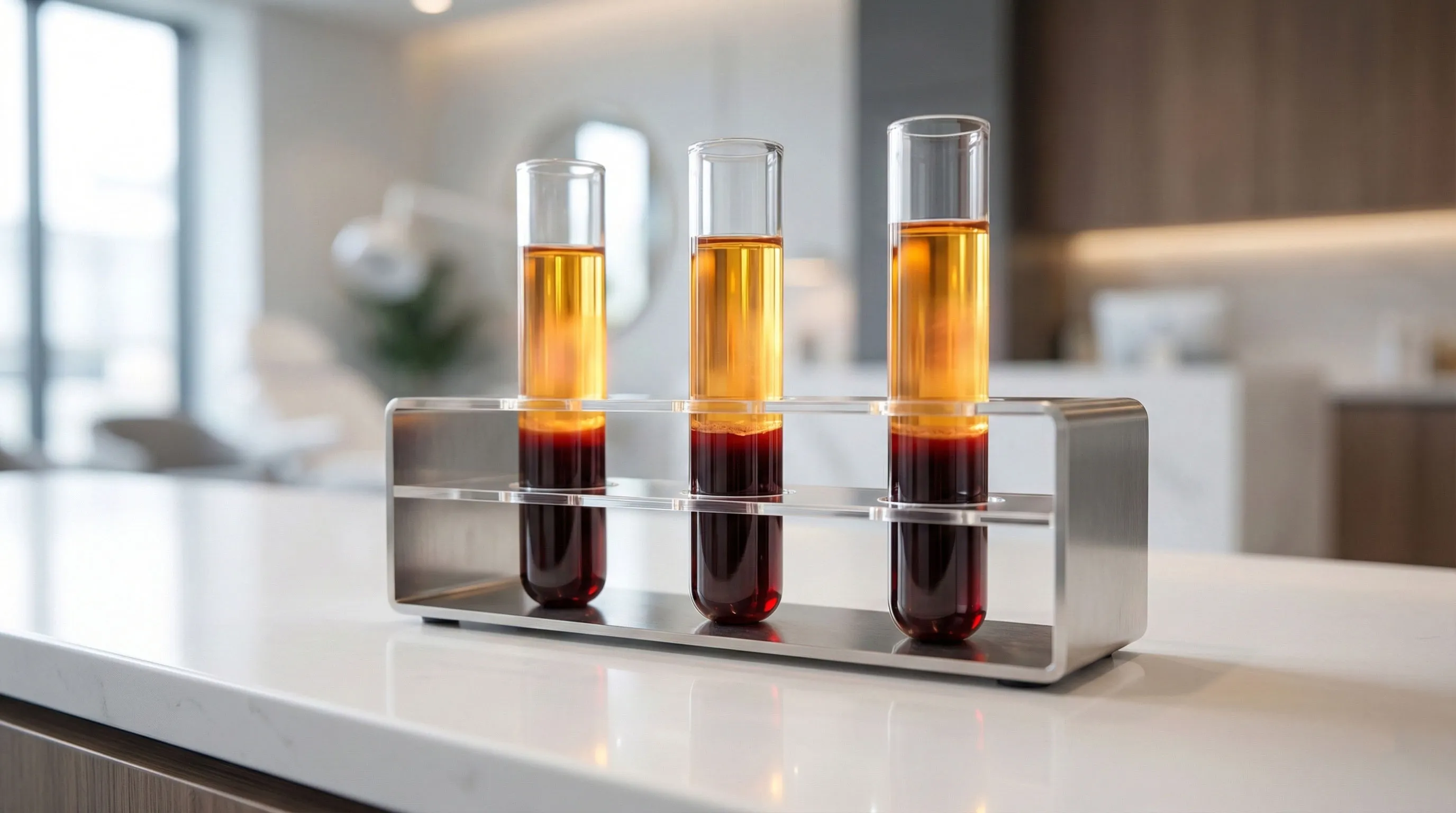
Platelet-Rich Plasma (PRP) is a concentrated solution derived from your own blood containing a high concentration of platelets and growth factors. When injected into targeted areas, these growth factors stimulate cellular regeneration, collagen production, and tissue repair.
The Science Behind PRP
A small sample of blood is drawn and processed in a centrifuge to separate and concentrate the platelets. The resulting PRP contains up to 5 times the normal concentration of platelets and their associated growth factors including PDGF, TGF-β, VEGF, and EGF.
PRP for Hair Loss
PRP therapy offers a powerful treatment option for various types of hair loss. The concentrated growth factors stimulate dormant hair follicles, extend the growth phase of the hair cycle, and increase blood supply to the follicles.
Suitable Candidates
PRP is particularly effective for androgenetic alopecia (pattern hair loss), early-stage hair thinning, and as a complement to hair transplantation. Best results are typically seen in patients with recent hair loss where follicles are still present but miniaturised.
A Non-Hormonal Alternative
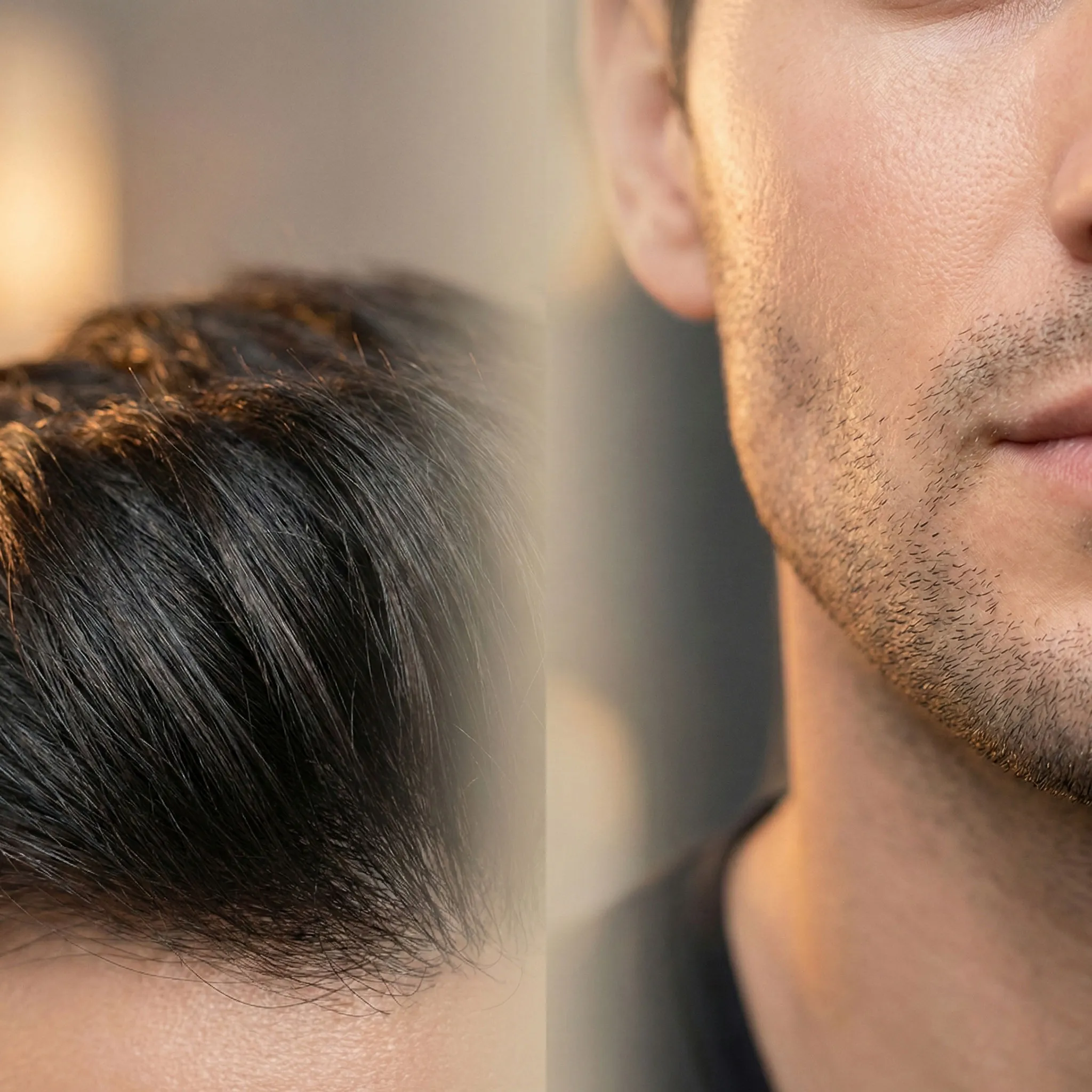
For patients seeking hair loss treatment without hormonal intervention, PRP offers an excellent alternative. Unlike finasteride or other DHT blockers, PRP works through a completely different mechanism - stimulating growth factors rather than altering hormone levels.
This makes PRP particularly suitable for patients concerned about hormonal side effects, those who cannot tolerate conventional medications, women experiencing hair thinning, and patients who prefer a natural approach using their body's own healing mechanisms.
How PRP Treatment Is Done at Eden Clinic
Benefits, Risks and Limitations
Treatment Course, Time Frames and Maintenance
Most clinical protocols for androgenetic alopecia use an initial series of 3–4 PRP sessions spaced around 4 weeks apart. It can also be done with polynucleotides and red light therapy.
Early changes such as reduced shedding or easier styling may be noticed after 2–3 sessions, with fuller assessment of density and coverage typically around 3–6 months.
To maintain results, many patients choose follow-up sessions every 4–6 months, tailored to response and other parts of their plan (transplant status, nutrition, stress, and any medications used).
For skin rejuvenation, a similar pattern is common: an initial series of 3 treatments at monthly intervals, followed by occasional top-ups to sustain collagen and skin quality.
Book Your PRP Consultation
Discover how PRP therapy can help you achieve your hair restoration or skin rejuvenation goals. Our expert clinicians will assess your individual needs and create a personalised treatment plan.
Book Consultation