Thalassotherapy: Kelp Bathing

Thalassotherapy: Kelp Bathing
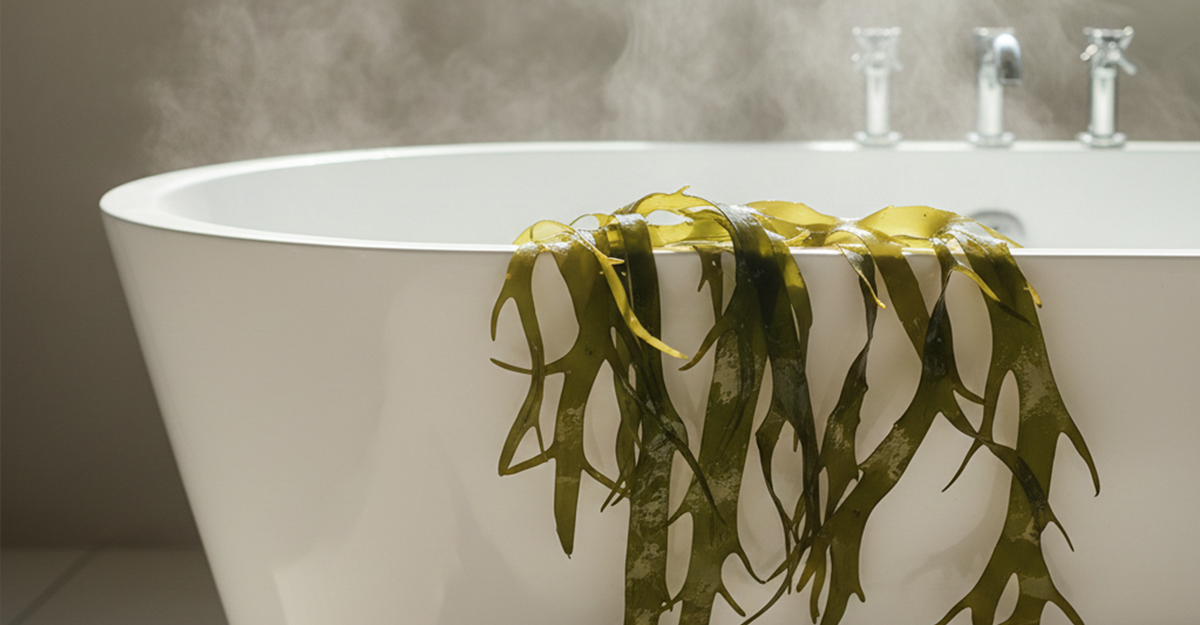
Sea kelp in the bath is one of my all time favourites. Kelp is rich in minerals, polysaccharides and antioxidants that hydrate, calm and protect the skin when they dissolve into warm water and form a gel-like “film” over the skin surface.
How does a kelp bath help skin?
Deep hydration and barrier support
If your skin is dry, it can lose its barrier and get itchy and inflamed.
Brown seaweeds like Laminaria contain polysaccharides (alginates, laminarin, fucoidan) that act as humectants, drawing and holding water in the stratum corneum.
In human studies, Laminaria japonica extract increased skin hydration by around 14% and reduced transepidermal water loss for several hours, indicating better barrier function.
Minerals and vitamins
Kelp is naturally high in “the goodies” — including magnesium, calcium, potassium, iodine and trace elements, plus vitamins A, B, C and E — all of which support normal keratinocyte function and barrier repair.
In a hot bath, your pores open and the dissolved minerals can soak in with the outer skin layers, helping skin feel softer, plumper and less rough after soaking.
Anti-inflammatory support
Sea kelp extracts also have anti-inflammatory properties that can reduce redness and irritation.
They’re fab for eczema, psoriasis and rosacea-prone skin in topical products and soaks.
Kelp baths are traditionally used in thalassotherapy to calm inflamed or itchy skin and support recovery after environmental stress (wind, cold, sun).
Antioxidant and anti-ageing effects
Brown seaweeds are rich in polyphenols and other antioxidants that help neutralise free radicals from UV and pollution, which in turn supports collagen and elastin and may soften the appearance of fine lines.
This antioxidant shield plus improved hydration explains why skin often looks brighter and more even after regular seaweed use.
Gentle detox and mild exfoliation
The combination of minerals and natural acids in kelp can help loosen dead cells and draw out excess sebum and surface impurities without harsh scrubbing.
Thalassotherapy-style kelp and salt soaks are promoted to aid circulation and “detox,” which clinically translates to improved microcirculation and more efficient barrier turnover rather than systemic detoxification.
Practical notes and caveats
- Always check the seaweed for visitors before you leave the beach
- Only take what you need, and take it from a place it’s plentiful
- Leave the seaweed in the hot bath for a bit before you get in… then add a bit of cold to find your best temperature. This will help it release its goodies
- It works best in comfortably hot (not scalding) water for 20–30 minutes so the polysaccharides hydrate and form that slippery protective film on the skin
- Rinse briefly with cool or lukewarm water after to avoid stripping away all the gel layer, then if you want you can seal in with a bland moisturiser if you’re dry or eczematous
- People with iodine allergy, thyroid disease or very sensitive skin should patch-test or check with their clinician before frequent, whole-body kelp baths because kelp is naturally iodine rich
Talk to an Eden Clinic doctor
This article is general information, not medical advice. If you would like your own symptoms, results or treatment options reviewed, our doctors offer private consultations in Plymouth and online.
Concerned about low testosterone?
Low testosterone is common, under-diagnosed, and treatable. Dr Angela Servis reviews every set of results herself, and the first step is a proper blood test. Questions? Call the clinic on 0333 335 6414.