Peptides: Hype, Hope and Hard Questions

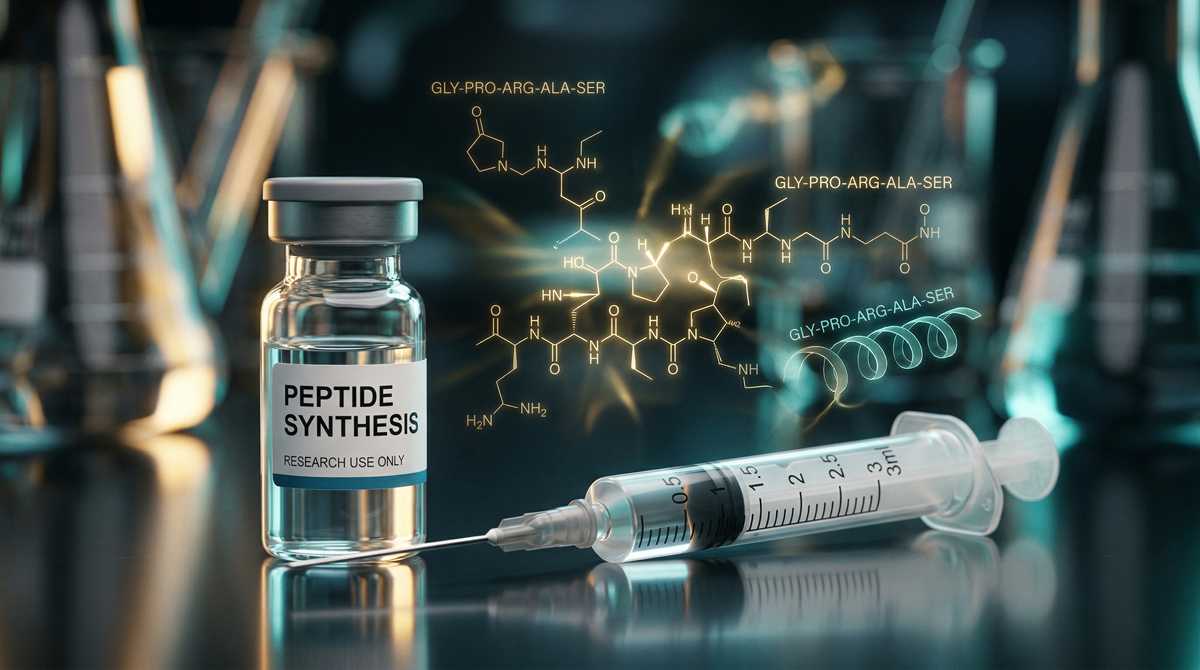
Peptides: Hype, Hope and Hard Questions
Peptides are everywhere in the headlines right now, from weight-loss injections to healing and longevity hacks, but behind the hype they are small, powerful fragments of the proteins your body already uses every day.
What Peptides Actually Are
A peptide is a short chain of amino acids (typically 2-50) linked by peptide bonds; longer chains form polypeptides and, ultimately, full proteins. Your body makes countless peptide molecules that act as hormones, signalling messengers and growth factors - insulin, many gut hormones and numerous brain chemicals are all peptides. Because they are so central to metabolism, appetite, inflammation and repair, synthesised peptides have become an attractive class of medicines and, more recently, wellness products.
Why Peptides Are in the News
The current media storm is largely driven by metabolic peptides used for diabetes and weight loss, alongside a parallel underground market of research peptides marketed for performance, anti-ageing and recovery. On one side, we have rigorously studied, MHRA-licensed medicines such as semaglutide (Wegovy) and tirzepatide (Mounjaro); on the other, unlicensed injectable peptides being sold online or via wellness clinics, often without robust safety data or regulatory approval.
Commonly Used Peptides: GLP-1s and Beyond
GLP-1 receptor agonists (semaglutide and friends)
Glucagon-like peptide-1 (GLP-1) is a gut hormone released after eating that helps regulate insulin, blood sugar and appetite. Semaglutide is a synthetic GLP-1 receptor agonist that mimics this hormone, slowing gastric emptying, enhancing insulin secretion and suppressing appetite, which leads to meaningful weight loss in many people with obesity or type 2 diabetes. In the UK, semaglutide is licensed in two ways:
- For type 2 diabetes: as a once-weekly injection or a daily tablet, alongside diet and exercise.
- For weight management, as Wegovy: in people with obesity, or overweight with weight-related health problems, alongside a reduced-calorie diet and increased physical activity.
Tirzepatide (Mounjaro) is a dual agonist of GLP-1 and GIP receptors, targeting two incretin pathways and producing even greater average weight loss than semaglutide in clinical trials; it is now licensed in the UK for diabetes and weight loss under specific criteria. Retatrutide is a newer triple agonist (GIP, GLP-1 and glucagon) that has shown up to around 25-30% weight loss in phase II-III obesity trials, but it remains an investigational drug and is not licensed for general clinical use.
Other peptide families
Outside metabolic medicine, there is a long list of experimental or niche peptides being promoted online for everything from tanning to limitless energy. Many of these have only early-stage or animal data behind them and do not have marketing authorisation in the UK, meaning they are effectively unlicensed medicines.
BPC-157: Hype vs. Regulation
BPC-157 (Body Protection Compound-157) is a synthetic peptide fragment modelled on a sequence found in gastric juice, often promoted online for tendon healing, gut repair and full-body regeneration. Preclinical studies in animals suggest BPC-157 can enhance angiogenesis, collagen organisation and tissue repair across various injury models, but human data are sparse and generally low quality.
Legally, BPC-157 is not approved for human or veterinary use by the US Food and Drug Administration. It is classified as an unapproved new drug and is not permitted for routine compounding. In the UK, BPC-157 has no MHRA marketing authorisation, so any sale or supply for human therapeutic use falls into the category of unlicensed medicine and sits outside standard legal and professional frameworks.
UK Regulation: Where the Line Is
In the UK, any peptide supplied for human treatment is treated as a medicine and must have MHRA authorisation for specific indications, or be prescribed on a tightly defined specials basis where no licensed alternative exists. GLP-1 agonists such as semaglutide and tirzepatide are licensed medicines and should only be used within their approved indications, dosing and patient-selection criteria, alongside lifestyle measures.
Unlicensed peptides like BPC-157, many growth-hormone secretagogues and biohacking blends do not hold MHRA licences so selling or promoting them for human use risks breaching the Human Medicines Regulations 2012 and falling foul of both MHRA enforcement and GMC expectations on prescribing unlicensed medicines.
The Evidence Problem: Who Funds the Studies?
One of the reasons aesthetic and wellness peptides are so hard to interpret is that much of the published research is small, early-stage and often funded or supported by companies with a financial interest in positive outcomes. Analyses of plastic and aesthetic surgery journals have shown that studies with financial conflicts of interest are far more likely to report positive results than those without, highlighting a structural bias built into the evidence base.
Bio-Hacks vs. the Basics
It is understandable that, in a world of long working hours, stress and abundant ultra-processed food, people are drawn to the idea of a precise injectable hack that can offset the damage. The same systems that peptides target - appetite, repair, inflammation, sleep-wake cycles - are also profoundly shaped by everyday factors: diet quality, movement, sleep, exposure to daylight, alcohol and nicotine, social connection and stress management.
The paradox is that many of us are scrolling for the next peptide protocol late at night, while short-changing ourselves on the very behaviours that underpin hormonal health, metabolic flexibility and emotional resilience. No injection can fully compensate for chronically poor sleep, a relentlessly sedentary life, constant ultra-processed calories and the absence of real recovery time. Peptides may have a place, in the right context, but they are not a substitute for the unglamorous foundations of living well.
Peptides for Sale in the UK: Hard Questions to Ask
When you see BPC-157, research GLP-1s or other peptides openly advertised to UK consumers, it is important to recognise what that implies. These products do not have MHRA marketing authorisation for human use here, so any clinic or website offering them as treatments is operating outside the licensed medicines framework and likely outside the law.
Before you put your trust, and health, in an unlicensed vial from an anonymous supplier, pause and ask yourself a deeper question: am I consistently doing the basics I already know support my body - eating real food most of the time, moving daily, sleeping enough, creating calm spaces where my nervous system can breathe? Or am I hoping a shortcut will fix what my current way of living is continually undoing?
Talk to an Eden Clinic doctor
This article is general information, not medical advice. If you would like your own symptoms, results or treatment options reviewed, our doctors offer private consultations in Plymouth and online.
Concerned about low testosterone?
Low testosterone is common, under-diagnosed, and treatable. Dr Angela Servis reviews every set of results herself, and the first step is a proper blood test. Questions? Call the clinic on 0333 335 6414.