Hair Loss and TRT: What You Should Know Before Starting Treatment

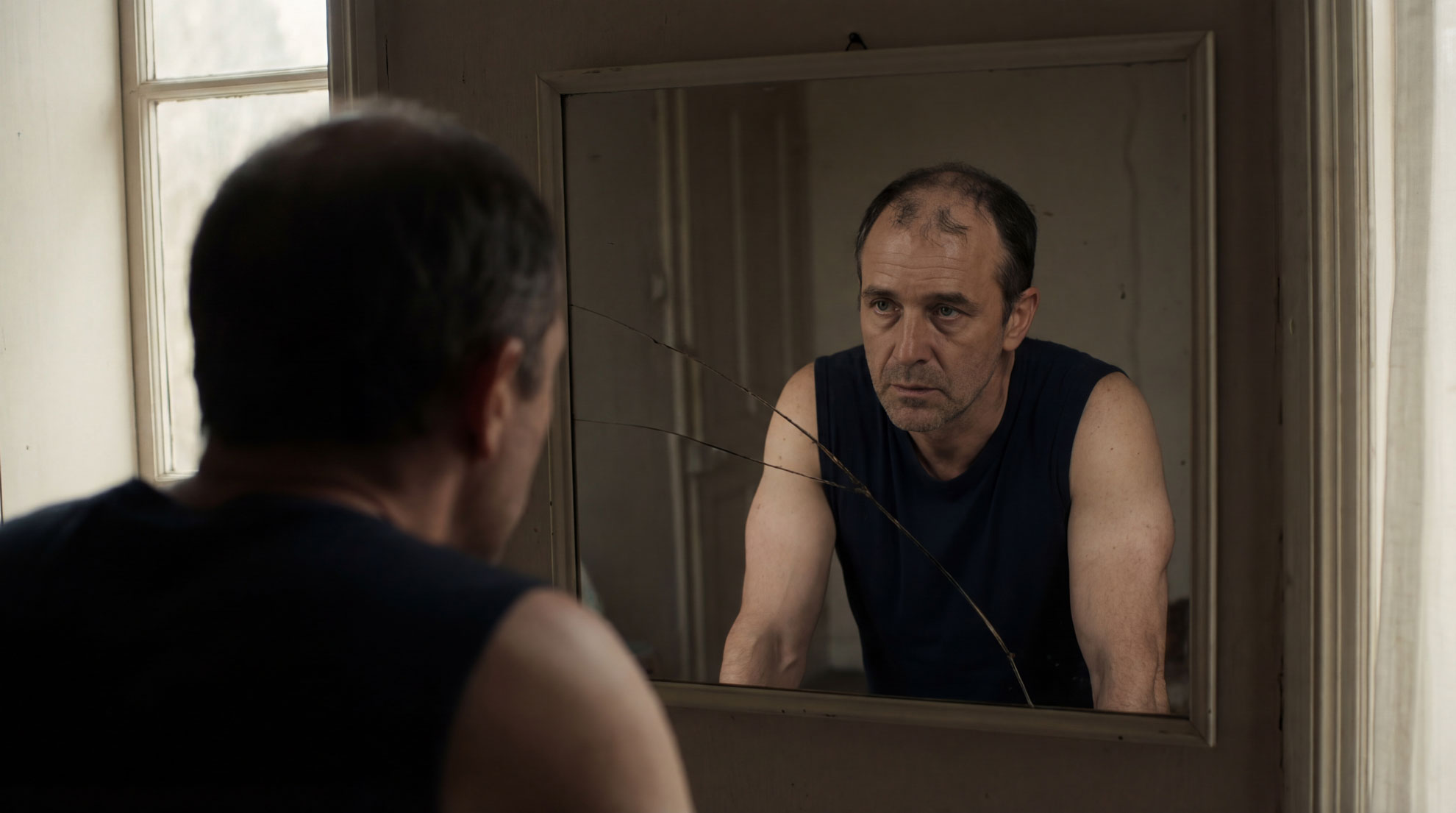
Hair loss, TRT, treatment and side effects...
Male hair loss is usually driven by genetics and androgens, with male‑pattern hair loss (androgenetic alopecia) the dominant cause; TRT can accelerate this in susceptible men by increasing androgen signalling in the scalp. A range of options exist from doing nothing and embracing hair loss, through medications, PRP and light‑based therapies, to surgical approaches, each with different risk–benefit profiles.[ncbi.nlm.nih]
Male hair loss and its causes
Male‑pattern hair loss (androgenetic alopecia) is the most common cause of hair loss in men, affecting around 30–50% by age 50 and up to 80% by older age. It is strongly heritable; twin and family studies suggest that genetics account for about 80% of susceptibility.[pmc.ncbi.nlm.nih]
Androgenic hairless is driven by androgens, particularly dihydrotestosterone (DHT), acting on genetically susceptible hair follicles in the frontal and vertex scalp. Over time, hair follicles miniaturise, anagen (growth) phases shorten, and hairs become thinner, eventually leaving empty pores and visible balding.[medlineplus]
Other causes of hair loss include telogen effluvium (stress, illness, medications), alopecia areata (autoimmune), scarring alopecias, and systemic conditions like thyroid disease or nutritional deficiency. Careful clinical assessment is needed to distinguish these, as treatment differs. Sometimes blood tests can be helpful to assess the cause. [ccjm]
TRT, androgens and hair loss
Androgens can speed up male‑pattern hair loss; Dihydrotestosterone (DHT) is produced from testosterone by 5‑alpha‑reductase in hair follicles and other tissues. In genetically susceptible men, normal androgen levels are sufficient to drive androgenic hair loss, and higher local androgen activity can accelerate miniaturisation.
Testosterone replacement therapy (TRT) increases circulating testosterone and often DHT, particularly if injected or used at higher doses, which can worsen or unmask AGA in those with the genetic predisposition. This means men starting TRT may notice faster recession or thinning, even though systemic testosterone levels are being “normalised.”[ncbi.nlm.nih]
Non‑scalp body hair and beard growth may increase on TRT, while scalp hair in androgen‑sensitive regions thins, reflecting site‑specific differences in androgen receptor signalling and follicle biology. Discussing hair expectations before starting TRT can help men weigh hypogonadism symptom control against potential cosmetic changes.[ccjm]
Finasteride: risks, benefits and persistent side effects
Finasteride is an oral type II 5‑alpha‑reductase inhibitor that reduces scalp and serum DHT by roughly two‑thirds. It needs to be taken indefinitely to continue its effects on hair loss.
Randomised trials show that finasteride slows further loss and can modestly increase hair count and density in many men while taken continuously.[gmr.scholasticahq]
All of that said, it’s a bit of a minefield when it comes to risks…Sexual side dysfunction including; low libido, erectile dysfunction, orgasmic difficulties, are well documented. Large trials have shown these side effects occur in a minority of users but the effects don’t always resolve even after stopping the drug. However, observational studies and case series describe a subset of men with persistent sexual dysfunction and psychological symptoms, including depression and suicidal ideation, lasting months or longer after discontinuation.[https://pubmed.ncbi.nlm.nih.gov/22789024/]
A review of finasteride and dutasteride for androgenic alopecia found that most patients’ adverse effects resolve, but again, several studies reported ongoing sexual dysfunction (decreased libido, erectile dysfunction, decreased arousal, orgasm problems) after stopping, highlighting possible “post‑finasteride” phenomena in a small group. Former finasteride users with persistent sexual side effects have shown higher rates of depressive symptoms and suicidal thoughts compared with controls.
It’s so important to be counselled about both the emerging evidence of potentially persistent symptoms in susceptible individuals.[pmc.ncbi.nlm.nih]\
Minoxidil
Originally used to treat hypertension, minoxidil was observed to increase hair growth and has now been used in topical form for hair loss. The mechanism by which minoxidil exerts its effects is not fully understood but its thought to promote hair regrowth through its action to open potassium channels and prolonging the growth phase of the follicle by increasing vascular flow. This enlarges miniaturised follicles but must be continued to maintain benefit. Treatments can be effective from 1-5%. Minoxidil in its topical form has reassuring safety profile but still needs to be taken continuously to exert its effects..
Hair transplantation
Hair transplantation can providea improvement, with graft survival rates above 90% in modern techniques, but it is invasive and expensive! Combining modalities (e.g. minoxidil plus PRP plus LLLT) often yields better outcomes than any single treatment alone.Its worth asking the doctor what they suggest using to maintain the effects of the hair transplant before having the treatment and considering if you was to go down that pathway. [pmc.ncbi.nlm.nih]
Other options: PRP and light
Platelet‑rich plasma (PRP) involves taking a blood sample, and then putting it in a centrifuge to separate the components and injecting them into the scalp. Platelet growth factors act on follicular stem cells, promoting vascularisation, prolonging anagen (the active growth phase of the hair follicle) and reducing apoptosis ((programmed cell death) in the hair follicle.
Systematic reviews including randomised controlled trials in male androgenic hair loss report that most studies show significant improvements in hair density and/or hair count versus placebo, with PRP generally well tolerated and with a favourable safety profile, though protocols vary and evidence quality is moderate.[pmc.ncbi.nlm.nih]
Low‑level light therapy (LLLT), including red and near‑infrared light, is thought to stimulate mitochondria and hair follicle cycling; clinical studies in pattern hair loss show increases in hair density and thickness compared with sham devices, with minimal adverse effects. Professional guidelines now recognise LLLT as a low‑risk adjunctive therapy in androgenic hair loss particularly for men keen to avoid systemic drugs.[ncbi.nlm.nih]
Acceptance and psychological aspects
Male‑pattern hair loss can significantly affect self‑image and some men feel it exacerbates social anxiety and depressive symptoms. At the same time, many men choose not to pursue medical or surgical treatment and instead adapt to their changing appearance through hairstyles, shaving, or embracing baldness.[ccjm]
It’s a good idea to explore all your options. Not only pharmacologic and procedural options but also the thinking about why it’s bothering you, the social context, recognising that acceptance and reframing can be a valid and often comfortable route for many.
For some, the most health‑promoting approach may be a combination of limited medical therapy, psychosocial support, and ultimately contentment with their natural hair pattern.[ncbi.nlm.nih]
Talk to an Eden Clinic doctor
This article is general information, not medical advice. If you would like your own symptoms, results or treatment options reviewed, our doctors offer private consultations in Plymouth and online.
Concerned about low testosterone?
Low testosterone is common, under-diagnosed, and treatable. Dr Angela Servis reviews every set of results herself, and the first step is a proper blood test. Questions? Call the clinic on 0333 335 6414.